



Vet’s Care Line, a brand owned by Range Pharma, Malaysia’s largest private animal health manufacturing company, is dedicated to enhancing the lives of companion animals through high-quality medications and nutraceuticals. We focus on developing effective health solutions primarily for dogs and cats, while also serving other companion animals.
Our mission, embodied in our tagline “Compassionate Care for Animals,” drives us to combine cutting-edge research with a commitment to animal welfare. Backed by Range Pharma’s extensive manufacturing capabilities, Vet’s Care Line delivers innovative products that promote happier, healthier companions.

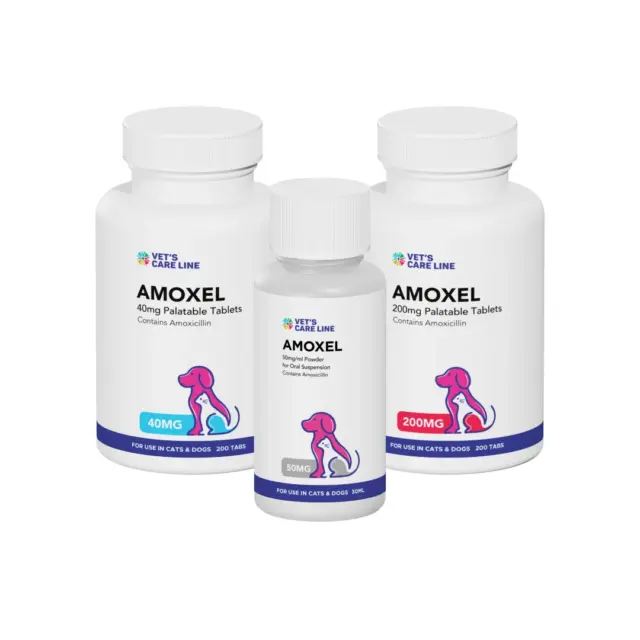 Amoxel
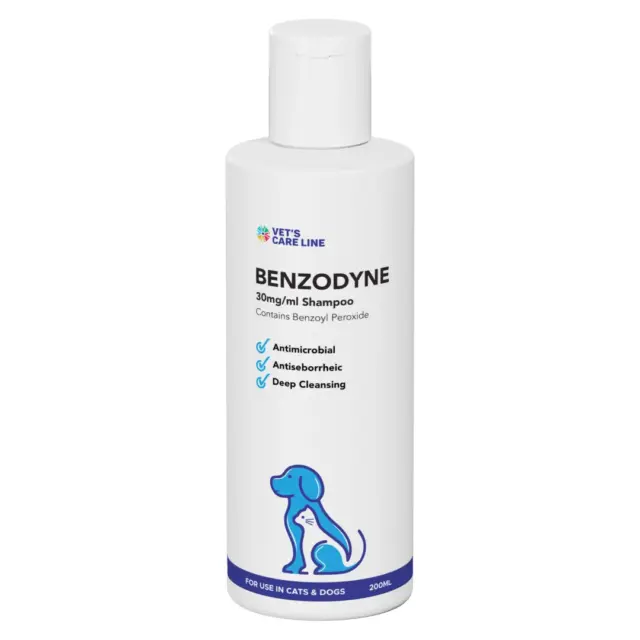 Benzodyne 30mg/ml Shampoo
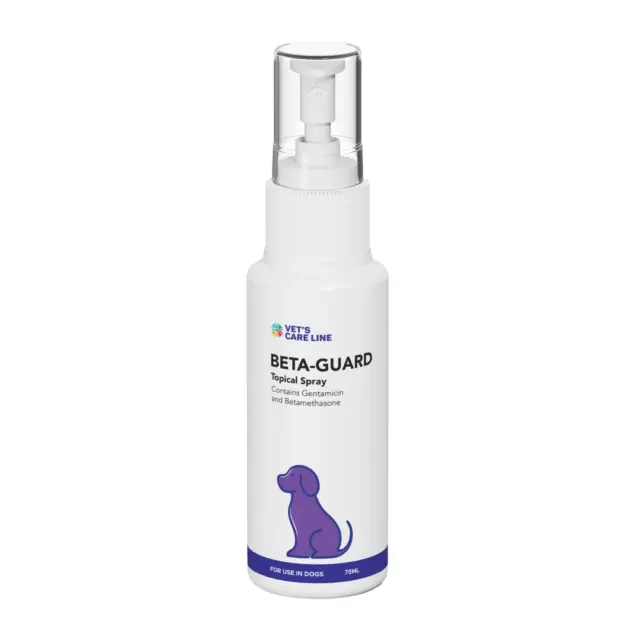 Beta-Guard Topical Spray
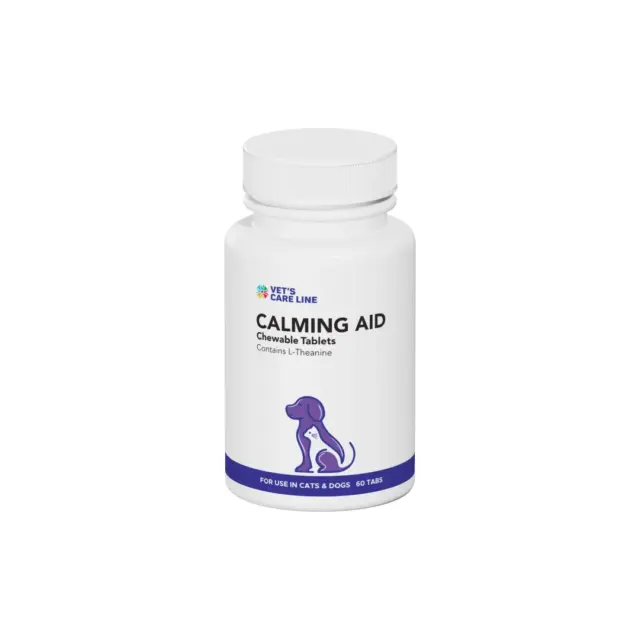 Calming Aid Tablets
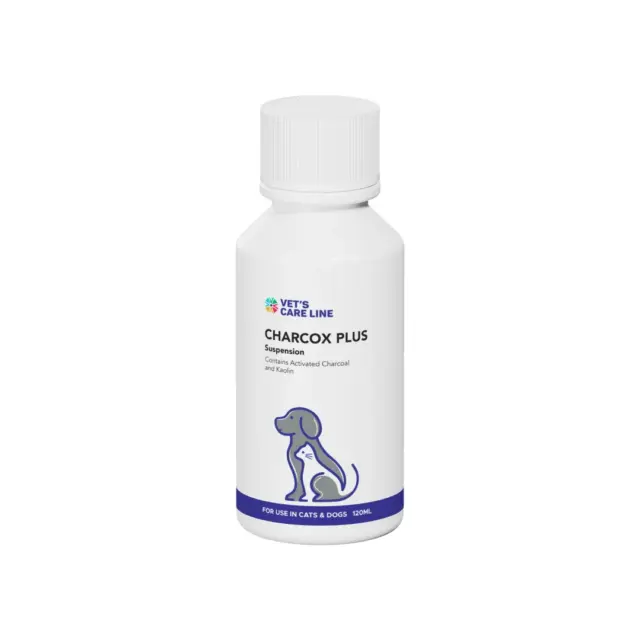 Charcox Plus Suspension
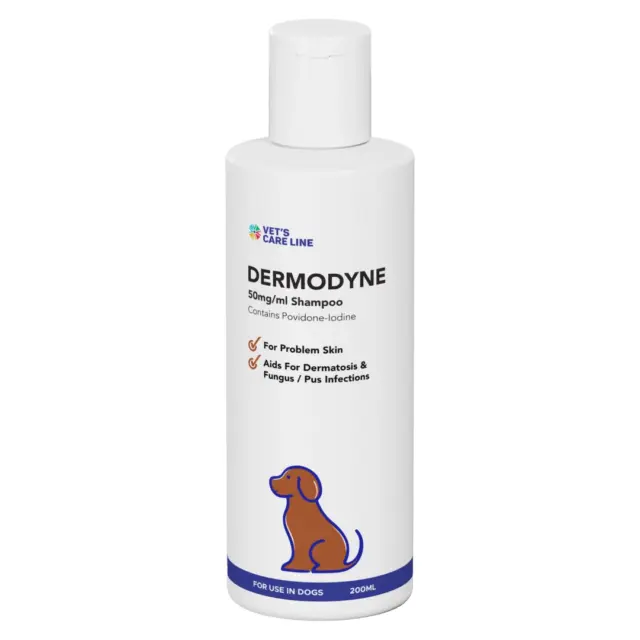 Dermodyne 50mg/ml Shampoo
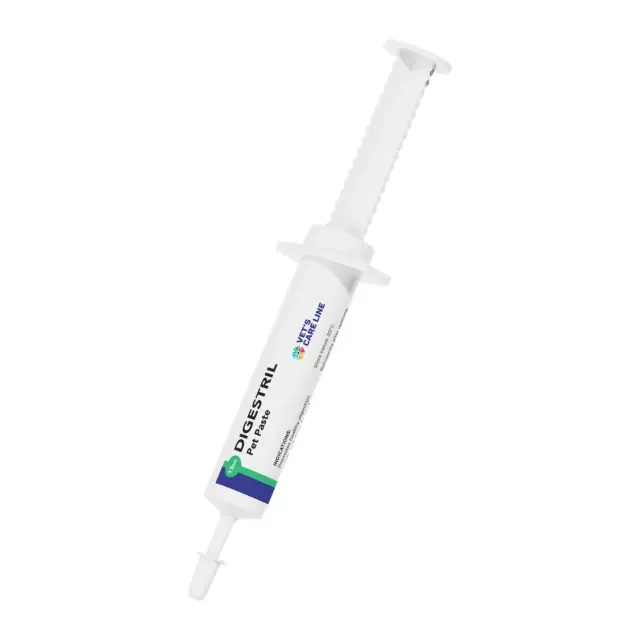 Digestril Pet Paste
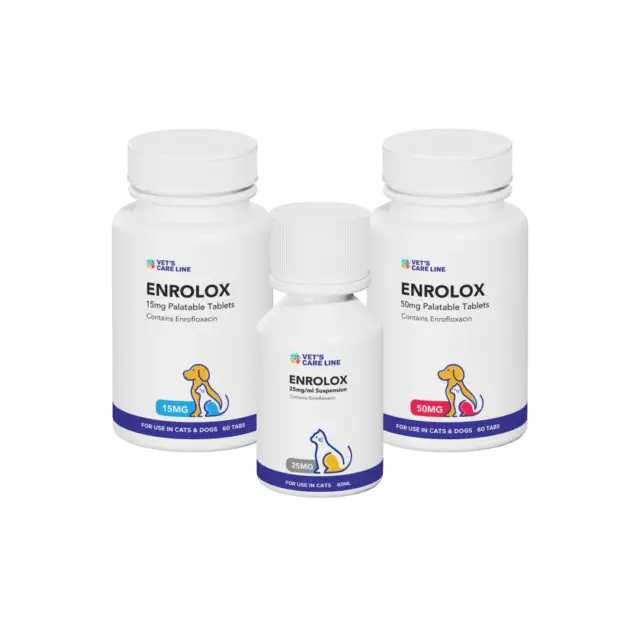 Enrolox
 Hexi-Guard 10mg/ml Spray
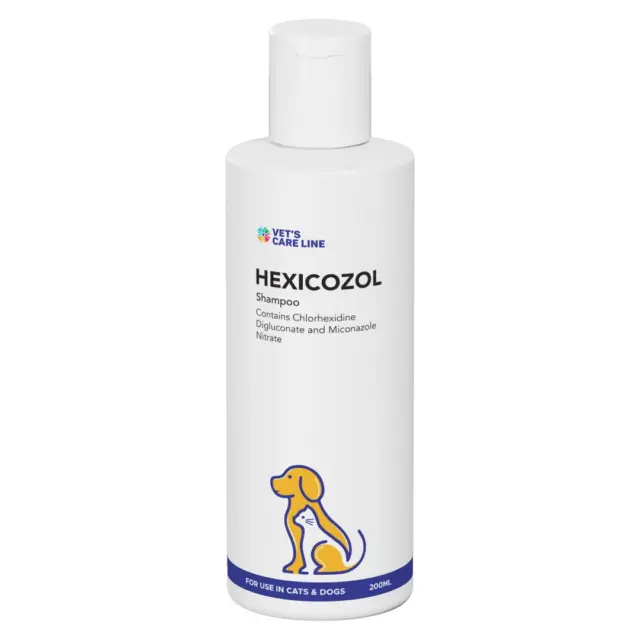 Hexicozol Shampoo
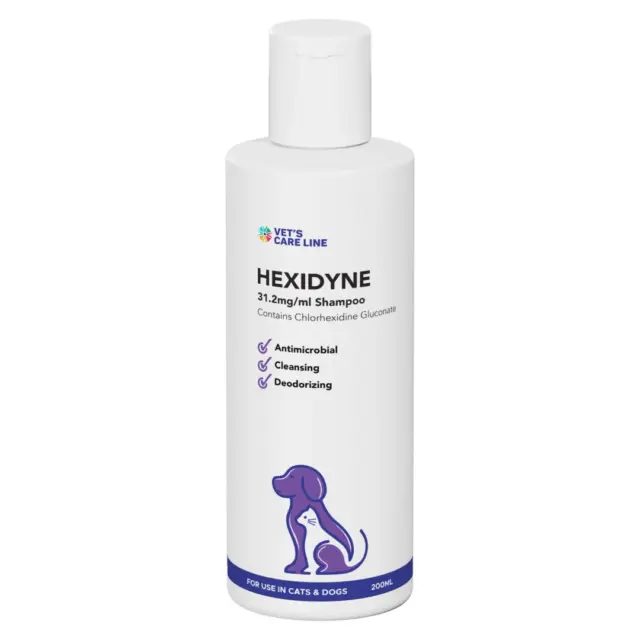 Hexidyne 31.2mg/ml Shampoo
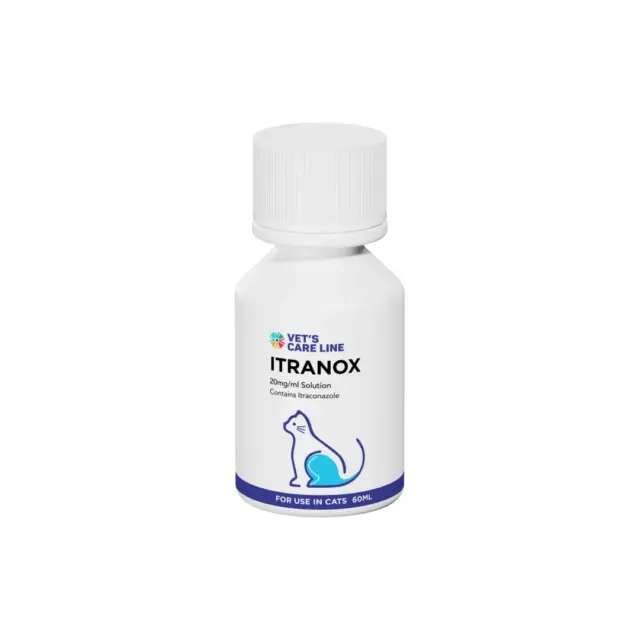 Itranox 10mg/ml Solution
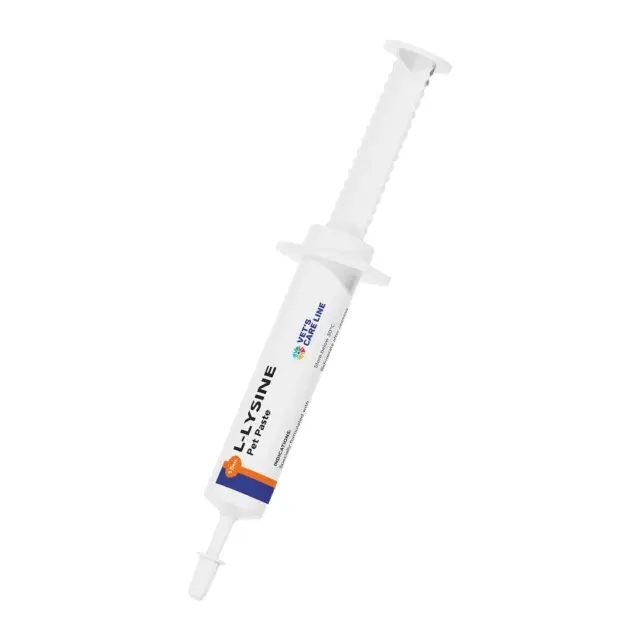 L-Lysine Pet Paste
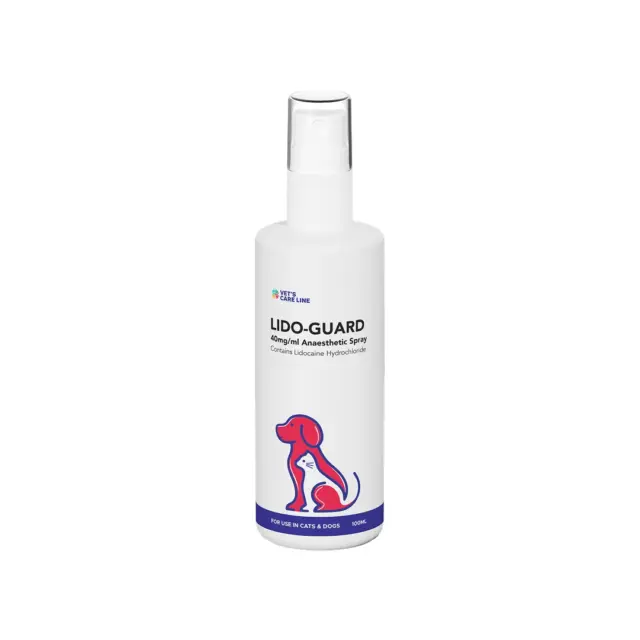 Lido-Guard 40mg/ml Anaesthetic Spray
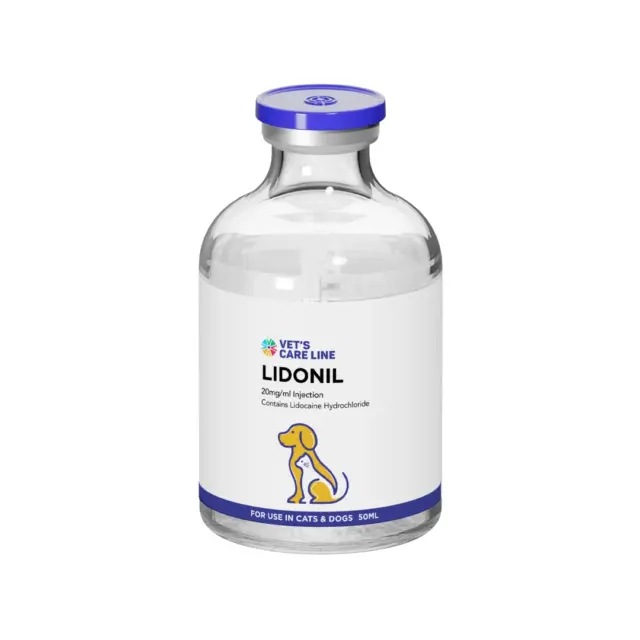 Lidonil 20mg/ml Injection
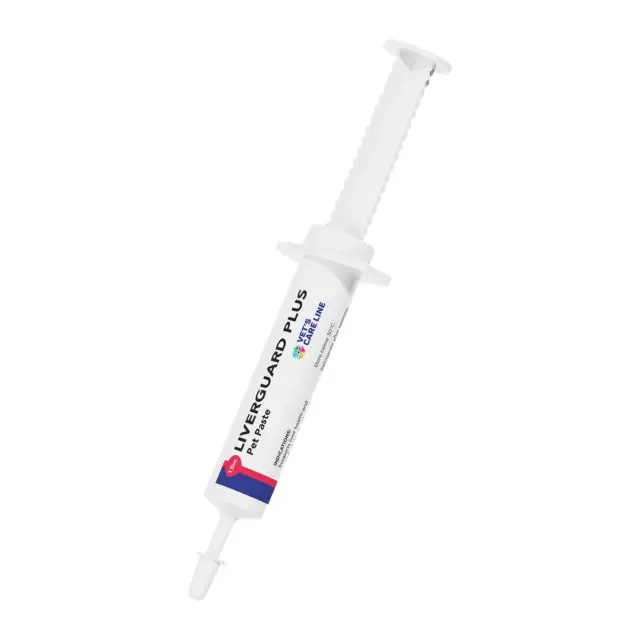 LiverGuard Plus Pet Paste
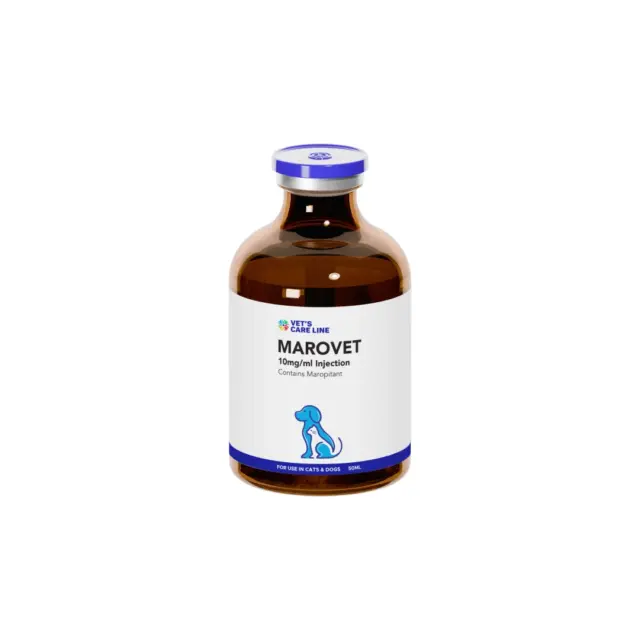 Marovet 10mg/ml Injection
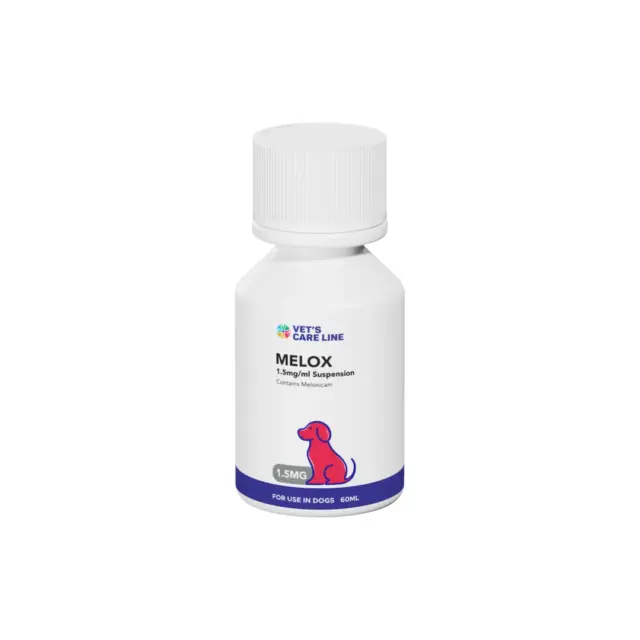 Melox 1.5mg/ml Suspension
 Osmoease Powder
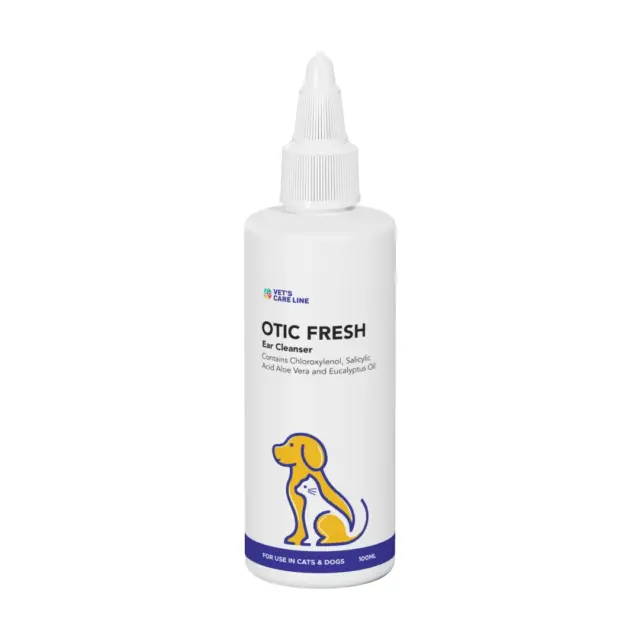 Otic Fresh
Amoxel
Benzodyne 30mg/ml Shampoo
Beta-Guard Topical Spray
Calming Aid Tablets
Charcox Plus Suspension
Dermodyne 50mg/ml Shampoo
Digestril Pet Paste
Enrolox
Hexi-Guard 10mg/ml Spray
Hexicozol Shampoo
Hexidyne 31.2mg/ml Shampoo
Itranox 10mg/ml Solution
L-Lysine Pet Paste
Lido-Guard 40mg/ml Anaesthetic Spray
Lidonil 20mg/ml Injection
LiverGuard Plus Pet Paste
Marovet 10mg/ml Injection
Melox 1.5mg/ml Suspension
Osmoease Powder
Otic Fresh
Otic Fresh
Amoxel
Benzodyne 30mg/ml Shampoo
Beta-Guard Topical Spray
Calming Aid Tablets
Charcox Plus Suspension
Dermodyne 50mg/ml Shampoo
Digestril Pet Paste
Enrolox
Hexi-Guard 10mg/ml Spray
Hexicozol Shampoo
Hexidyne 31.2mg/ml Shampoo
Itranox 10mg/ml Solution
L-Lysine Pet Paste
Lido-Guard 40mg/ml Anaesthetic Spray
Lidonil 20mg/ml Injection
LiverGuard Plus Pet Paste
Marovet 10mg/ml Injection
Melox 1.5mg/ml Suspension
Osmoease Powder
Otic Fresh
Learn
Key signs to watch out for
Your pet can’t tell you when they’re feeling sick, but they do show signs of discomfort. Learn how to recognize changes in behavior, appetite, and energy levels—and when it’s time to consult a vet.
Explore health guides Practical guidance for healthier, happier pets